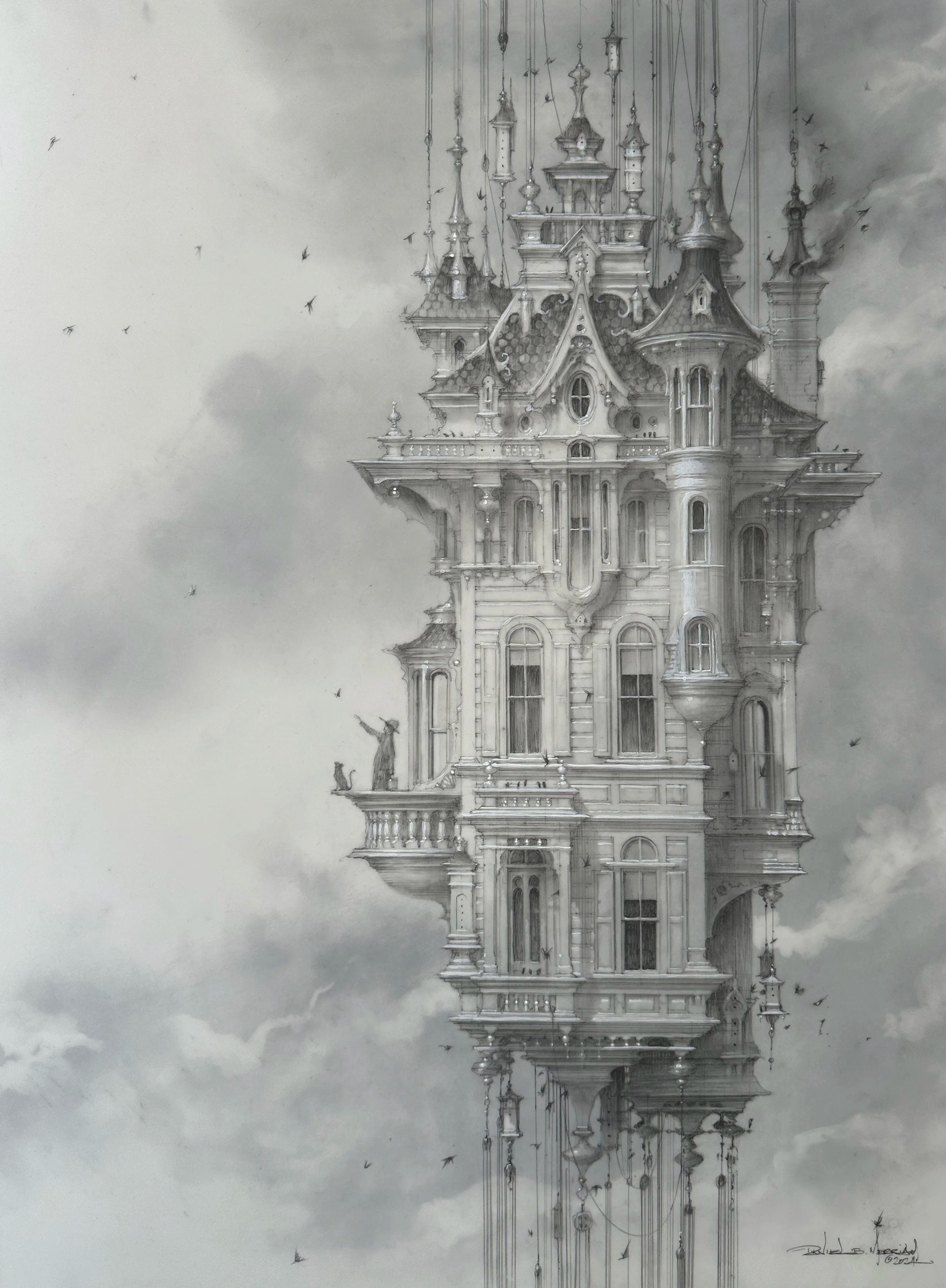
Houses, grand enough to make a man feel small or humble enough to make him feel honest, all come with a story attached, whether the owner knows it or not.
They generally begin the same way most trouble does: as an idea. A person decides they require a place to keep the rain off their head and their thoughts in one place, and from there the thing grows…boards, nails, arguments, and all. Even a nomad, who claims no fixed address, will sooner or later declare a wagon or a patch of ground to be “home,” which is proof enough that the instinct can’t be outrun.
Now, there’s a notion going around that a person ought to have a house simply by virtue of existing. It’s a comforting idea, but it leaves out the inconvenient truth that houses do not build themselves out of goodwill and fresh air. They require thought, effort, and a stubborn willingness to see a thing through long after it has stopped being fun.
My father was a structural engineer, which is to say he was the sort of man who could imagine a building standing where there was nothing but dirt, and then go out and make it prove him right. I watched him first at his desk, where everything behaved nicely on paper, and then out in the world, where nothing behaved at all. I learned early that a straight line is easier drawn than built.
One day, while watching a crow fly across the trees near my home, I noticed it carrying a stick that looked entirely too large for its purposes. I couldn’t help but wonder what made that stick so important, how far it had hauled it, and whether it ever stopped mid-flight to reconsider its life choices.
People aren’t much different. Some will carry their sticks however far they must and build what they need from scratch. Others inherit a perfectly good nest and spend their time wondering what to do with it. And still others hire the work out or buy something ready-made, which is a fine plan if you prefer your struggles pre-packaged.
As children, my siblings and I had no shortage of ambition when it came to houses. We designed castles in the sky, fortresses on cliffs, and any number of dwellings that would have been entirely impractical to heat. Years later, my brother Stephen suggested we put some of those ideas to use and build dollhouses—he would handle the building, and I would handle the dreaming.
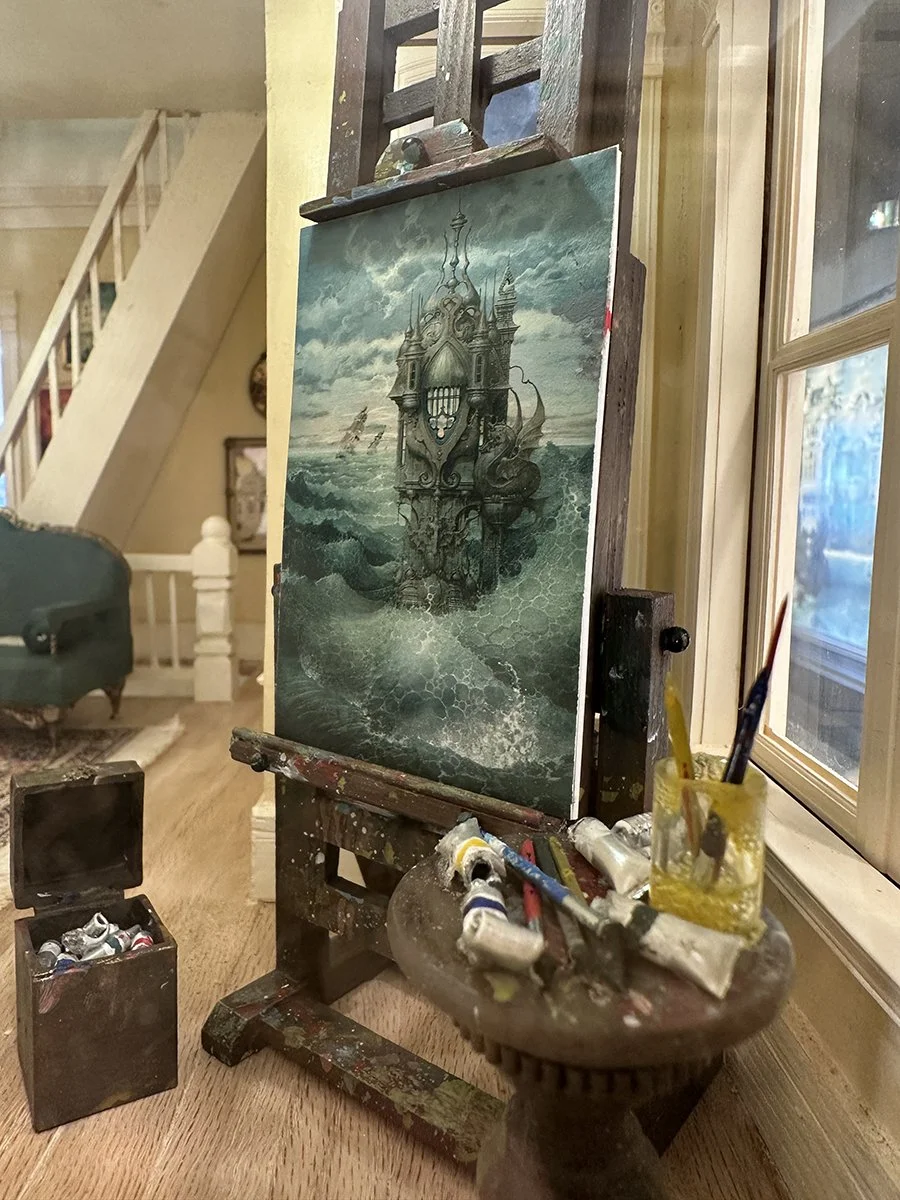
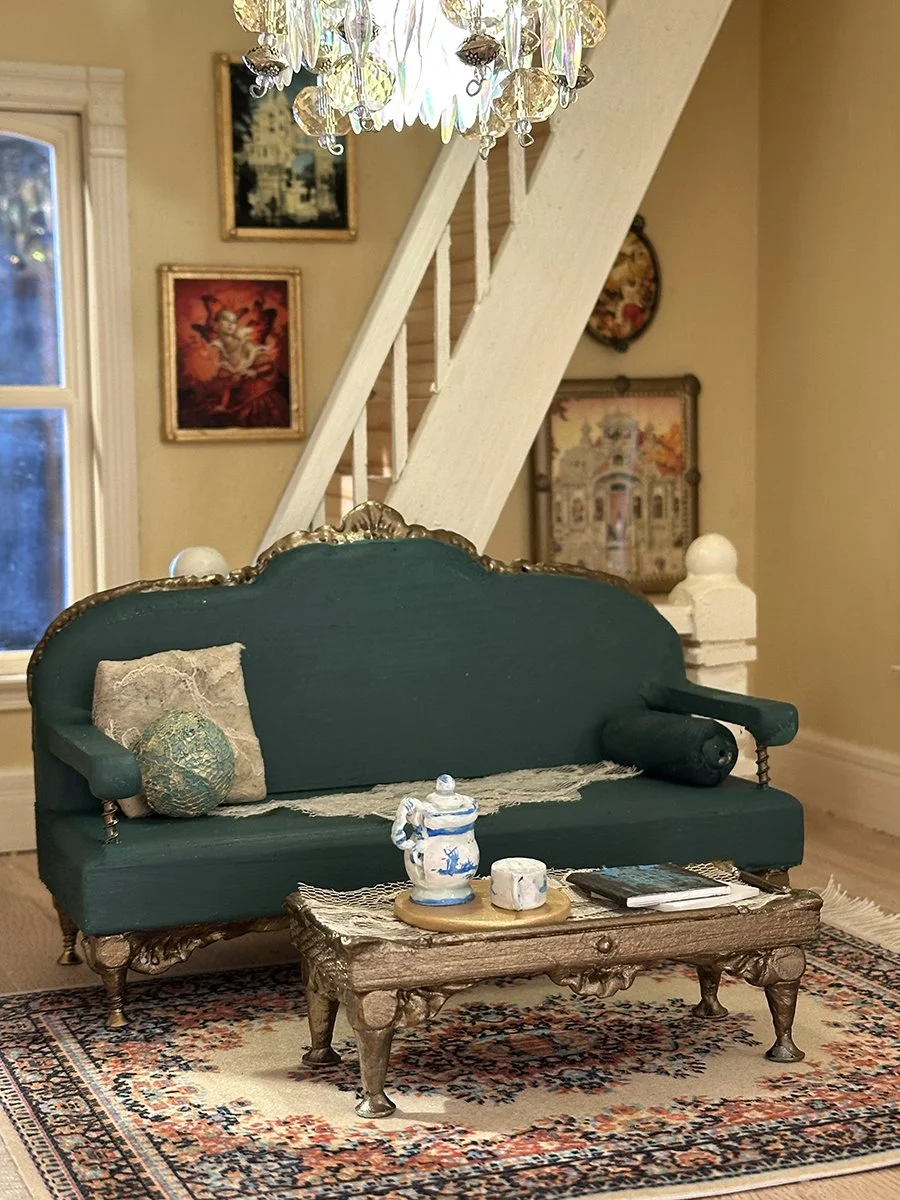
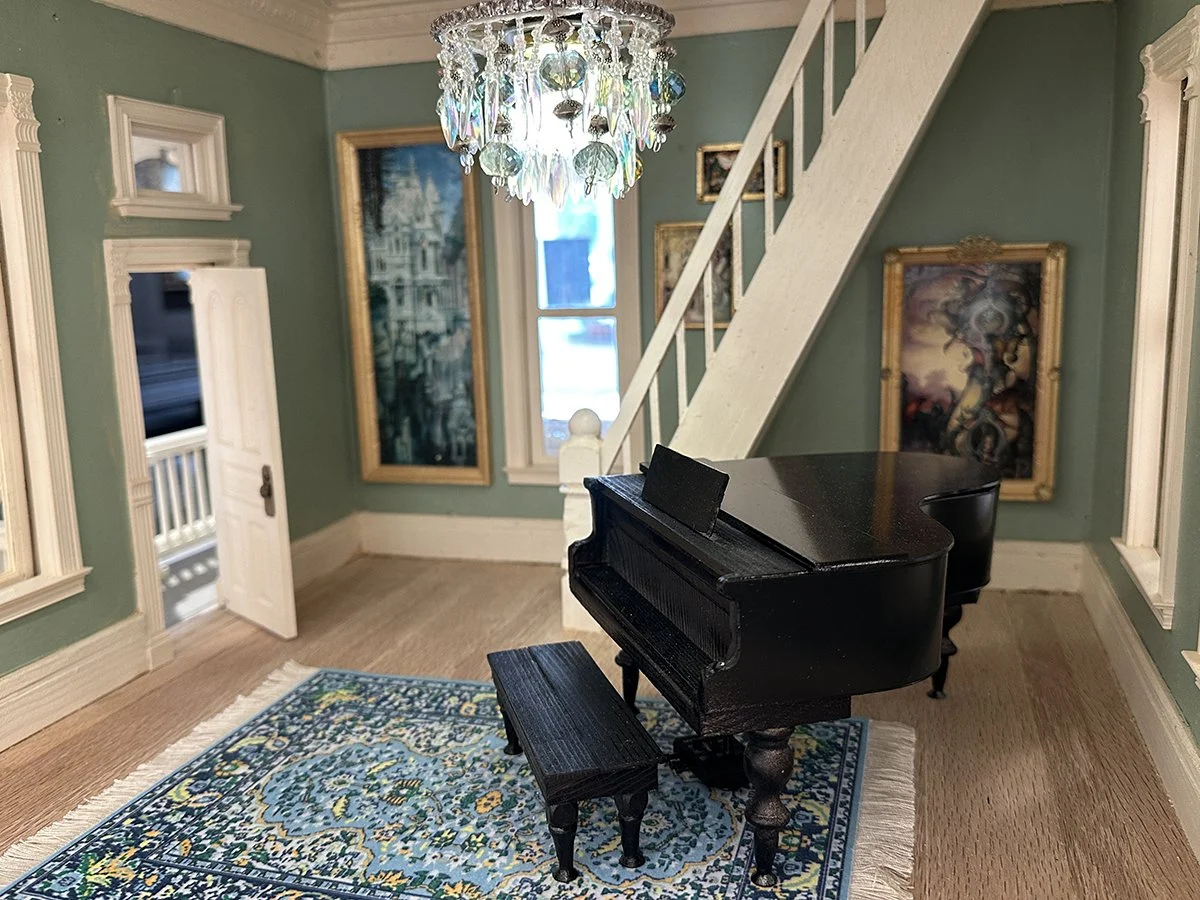
This notion was encouraged by the fact that our mother owned a fine Victorian dollhouse, which my brother Tom - an artist and piano smith - had restored with great care. Our own contributions to the art form, however, were less refined. My brothers and I made a habit of driving Tonka fire trucks through my sisters’ miniature mansion, responding to fires that occurred with suspicious regularity, roughly every twelve minutes. The girls objected to this system, though we maintained it was only a matter of public safety. Early gas lighting, after all, is not to be trusted.
Stephen set to work from one of my sketches, translating it into proper plans and gathering materials with the confidence of a man who has not yet run out of time. Unfortunately, time has a way of running out anyway. He had children, responsibilities multiplied, and the project slowed to a halt. The pieces were boxed up and passed briefly to my brother Tom, who gave them due consideration before deciding that life was already complicated enough. Eventually, they found their way back to Stephen, and when he moved again, this time to North Carolina, he made the sensible decision to send them to me, seeing as I had paid for the materials in the first place.
I stored them in my warehouse, where they settled in comfortably and did nothing at all for quite some time. I had my own work, my own children, and no pressing desire to revive a project that had already demonstrated a strong talent for remaining unfinished.
Then, as these things tend to happen, circumstance intervened. After months of drawing, I developed a pain in my shoulder that made continuing impossible. Faced with the alarming prospect of idleness, I went looking for something else to do and found myself thinking about those boxes.
I dug them out, opened them up, and before long I was back in it.
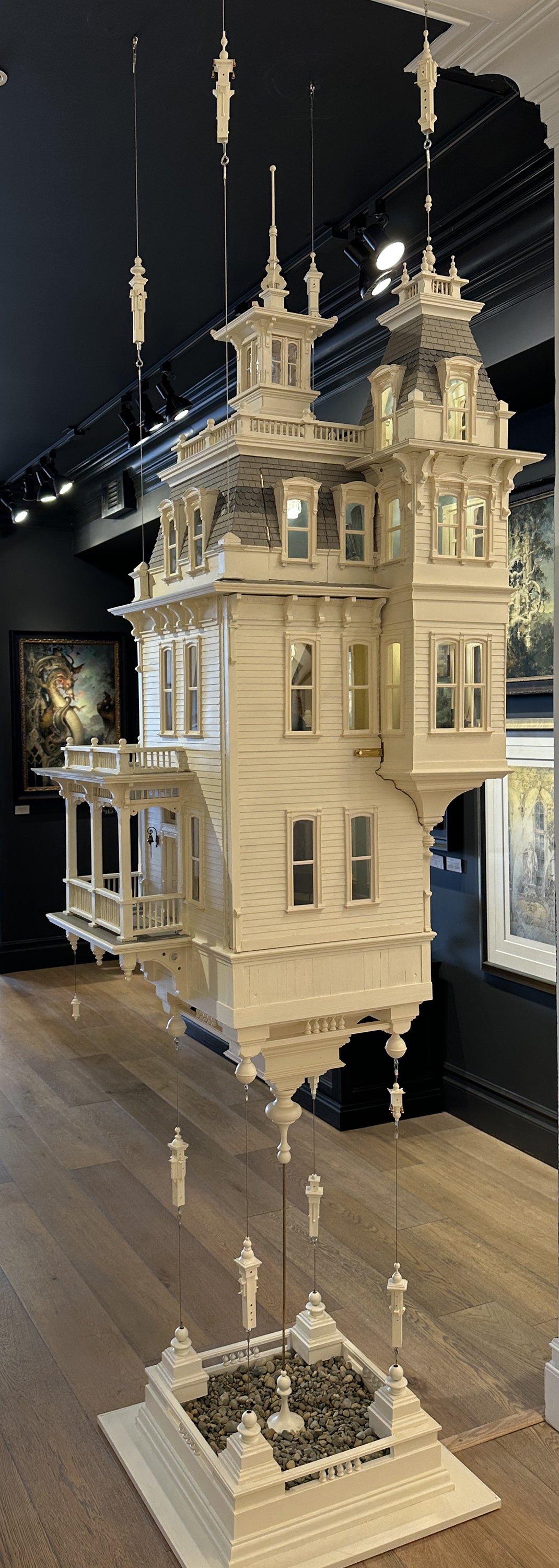
What followed was less a straight path and more a negotiation. I assembled what I had, invented what I didn’t, and solved each problem just in time to discover another waiting behind it. There were no instructions, which meant I was free to make all the mistakes myself.
I worked late, often longer than intended, and went through more material than seemed reasonable. I emptied my shop of usable wood and still found myself making regular trips to lumberyards and hardware stores, so many that I began to suspect they were keeping track of me.
In the end, I managed to keep all my fingers, though my hands made it clear they had been consulted extensively throughout the process.
The truth is every house demands something of the person building it. Time, effort, patience - usually more than originally agreed upon. The crow knows this, which is why it doesn’t complain. It just keeps flying, one stick at a time, until the job is done.
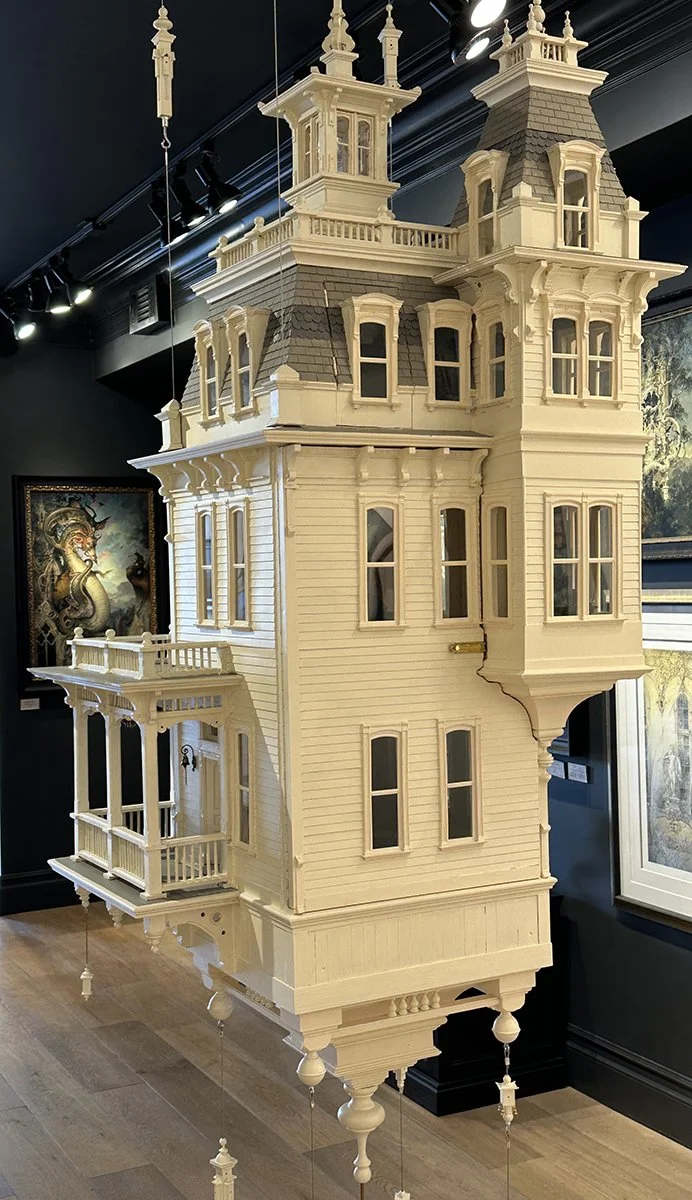
Now, at last, the thing stands.
All that remains is to persuade it to defy gravity, which is a small matter. And after that I expect I’ll be qualified to take up residence alongside the crow, assuming, of course, it approves of the workmanship.